
Blog
What is ALATA? History, Benefits & Traditional Significance

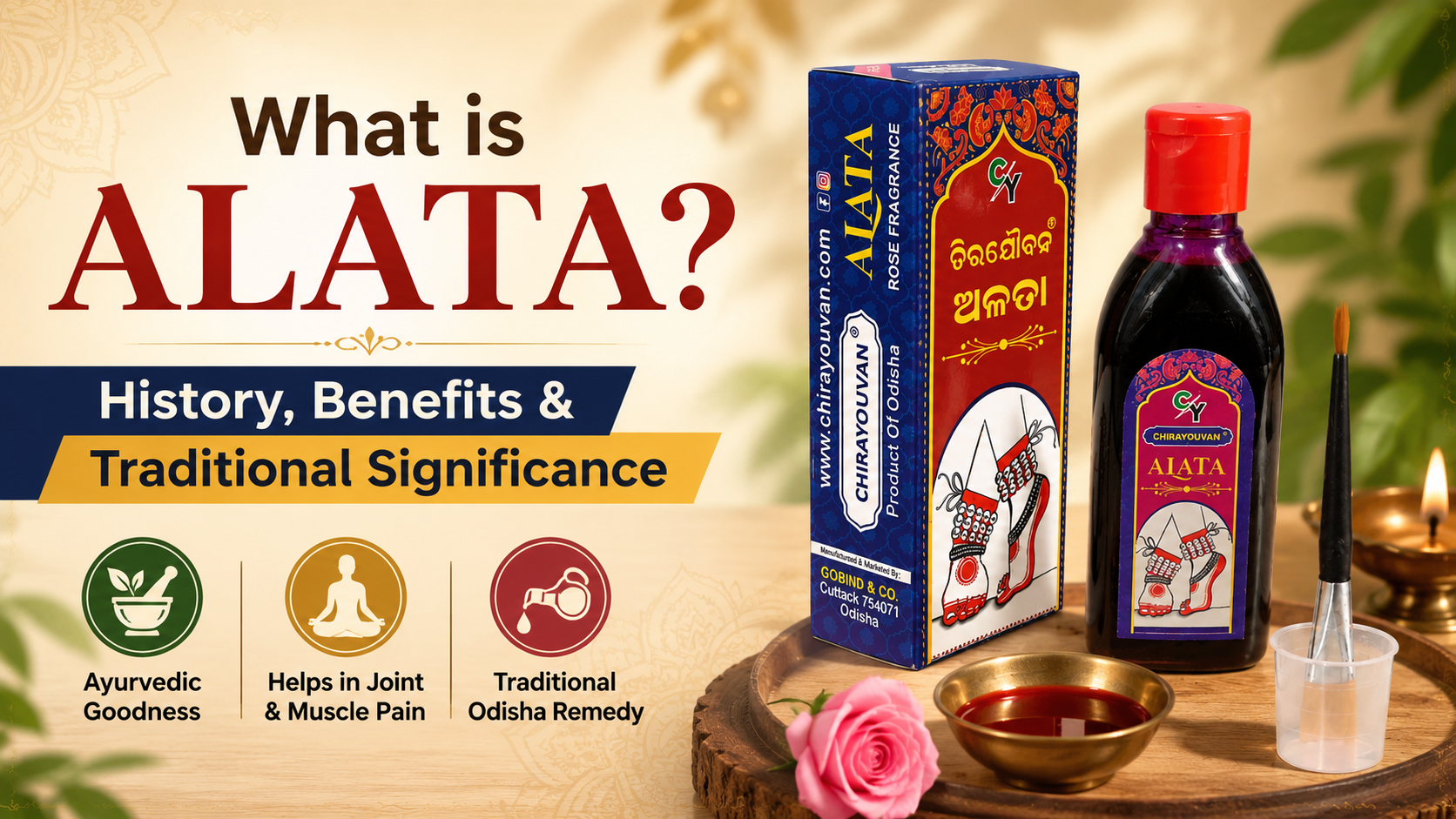
What is ALATA, Traditional ALATA, Alta for Feet
🌺 What is Alta / Alata?
- Definition: Alta (also called Alata) is a crimson-red liquid dye traditionally applied to the feet and hands of women.
- Composition: Originally made from lac resin (a secretion from lac insects), mixed with natural colorants and water. Today, it is also commercially manufactured.
- Cultural Role: Used in bridal rituals, religious ceremonies, and classical dance forms like Odissi, Kathak, and Bharatanatyam.
- Symbolism: Represents fertility, prosperity, marital bliss, and divine feminine energy (Shakti).
👣 Why Alta is Applied to Feet
- Feet in Indian Tradition: Feet are considered sacred; touching elders’ feet is a sign of respect, and the bride’s red footprints symbolize prosperity entering the household.
- Ritual Meaning: Applying Alta is believed to invite blessings, good fortune, and positive energy.
- Bengali Weddings: Brides paint their feet with Alta before marriage as a symbol of new beginnings, love, and fertility.
🎨 Traditional Alta Designs for Feet
Alta is not just applied plainly—it is often styled into decorative patterns:
| Style | Description | Occasion | |
|---|---|---|---|
| Traditional Alta Design | A large central circle with smaller dots around, toes colored fully or partially. | Weddings, festivals | |
| Designer Alta | Thin lines and intricate motifs added to traditional circles. | Bridal functions | |
| Traditional-Modern Mix | Combination of bold circles with fine lines for a stylish look. | Young brides, modern ceremonies | |
| Alta-Kumkum Design | Alta base with white kumkum dots or floral motifs. | Special rituals | |
| Elite Alta Design | Alta with detailed floral/leaf patterns drawn over it. | Grand weddings, professional styling |
🌸 Key Takeaways
- Alta = Alata = Traditional red dye for feet/hands.
- Traditional Alta emphasizes auspicious circles and toe coloring.
- Modern Alta blends decorative artistry with tradition.
- Alta for Feet is most common, symbolizing prosperity and divine blessings.